Serving the Greater South Sound Area





How Long Should Your Water Heater Last? Local Lifespan & Replacement Tips for the South Sound
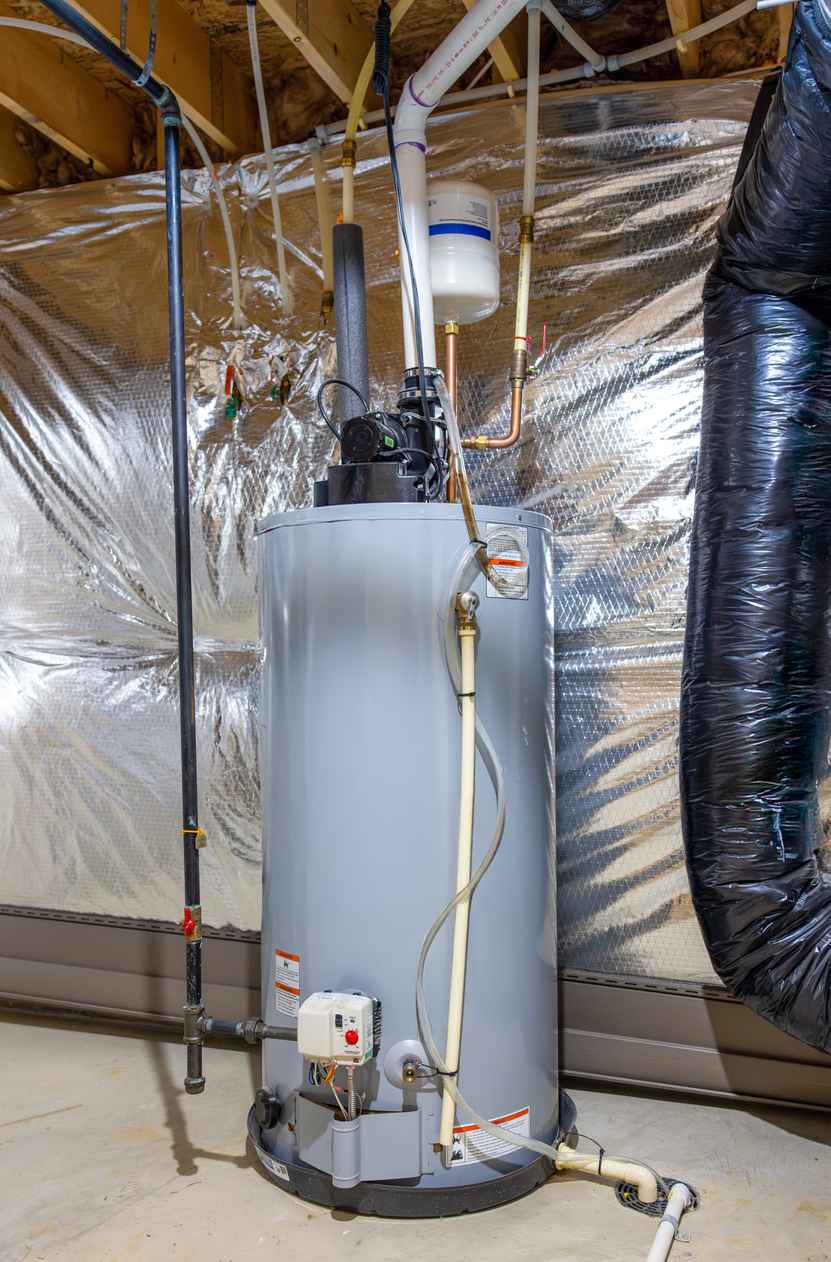
A reliable water heater is essential for everyday comfort, from morning showers to cleaning dishes and laundry. For homeowners in the South Sound, understanding how long a water heater should last helps prevent unexpected breakdowns, water damage, and emergency replacements. Many water heaters fail without much warning, especially when age and local water conditions begin to take a toll.
Water heater lifespan varies based on system type, maintenance habits, and regional factors such as mineral content in the water supply. This blog explains how long water heaters typically last in the South Sound, what signs indicate replacement may be approaching, and how to make informed decisions before a failure occurs.
Average Water Heater Lifespan by Type
Not all water heaters are built the same, and lifespan expectations can vary widely depending on the system installed in your home. Knowing the typical service life of each type helps South Sound homeowners plan ahead and avoid surprise failures.
Traditional Tank Water Heaters
Tank style water heaters are the most common option in South Sound homes. On average, homeowners can expect:
-
A lifespan of about 8 to 12 years
-
Shorter life if sediment buildup is heavy
-
Gradual performance decline rather than sudden failure
-
Increased risk of leaks as the tank ages
As tank heaters approach the ten year mark, internal corrosion and sediment often reduce efficiency and reliability.
Tankless Water Heaters
Tankless systems generally last longer due to their design and on demand operation. Typical expectations include:
-
A lifespan of 15 to 20 years or more
-
Fewer issues related to rust or tank corrosion
-
Better long term efficiency with proper maintenance
-
Higher upfront cost but longer service life
While tankless water heaters last longer, they still require regular maintenance to reach their full lifespan potential.
South Sound Factors That Affect Water Heater Longevity
Water heaters in the South Sound face unique conditions that can shorten or extend their lifespan. Local water quality, household usage, and maintenance habits all play a role in how long a system lasts before repairs or replacement become necessary.
Hard Water and Sediment Buildup
Many areas in the South Sound experience mineral rich water, which contributes to sediment buildup inside water heaters. Over time, this can lead to:
-
Reduced heating efficiency
-
Longer recovery times for hot water
-
Increased wear on heating elements or burners
-
Overheating at the bottom of the tank
Sediment buildup is one of the most common reasons tank style water heaters fail earlier than expected.
High Demand From Larger Households
Homes with multiple occupants or high daily hot water use place extra strain on water heaters. Increased demand can result in:
-
More frequent heating cycles
-
Faster wear on internal components
-
Reduced lifespan for undersized systems
-
Inconsistent hot water availability as systems age
Matching system size to household demand and maintaining the unit properly can help offset these factors.
Warning Signs Your Water Heater Is Near the End
Water heaters often give warning signs before they fail completely. Recognizing these symptoms early allows South Sound homeowners to plan for repairs or replacement before dealing with water damage or a sudden loss of hot water.
Inconsistent Hot Water or Strange Noises
As water heaters age, performance issues become more noticeable. Common signs include:
-
Hot water that runs out faster than normal
-
Fluctuating water temperatures during use
-
Popping, rumbling, or cracking noises from the tank
-
Longer wait times for hot water recovery
These issues are often caused by sediment buildup or failing internal components.
Rust Colored Water and Visible Leaks
Physical signs of deterioration should never be ignored. Warning indicators include:
-
Rust tinted water coming from hot water taps
-
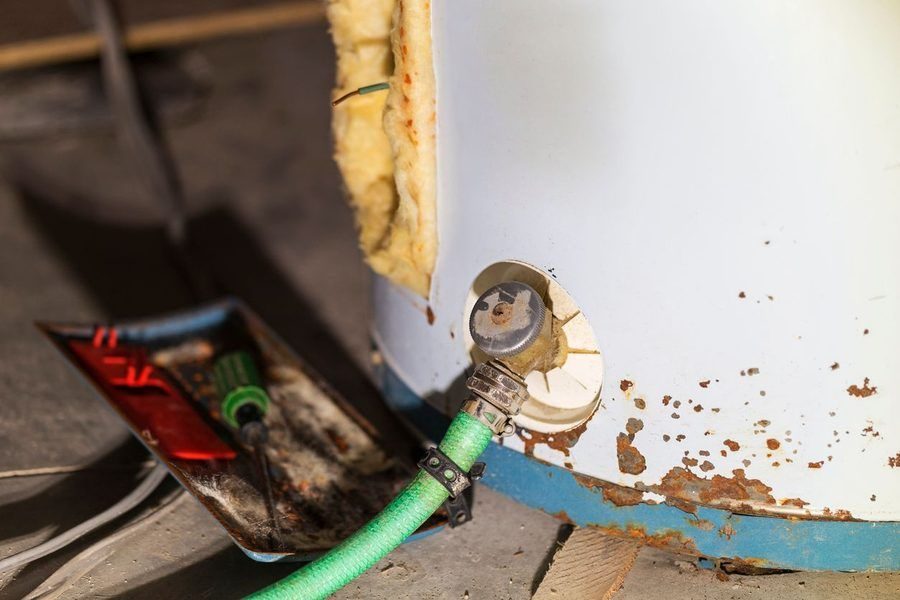
Corrosion on the tank exterior or fittings
-
Moisture or pooling water around the base of the unit
-
Small leaks that worsen over time
Once corrosion or leaking begins, replacement is usually more cost effective than continued repairs.
Maintenance Tips That Help Extend Water Heater Life
Regular maintenance plays a major role in how long a water heater lasts, especially in the South Sound where mineral buildup can accelerate wear. Simple upkeep and periodic professional service can help prevent premature failure and keep your system running efficiently.
Flushing Sediment and Checking Anode Rods
Sediment buildup is one of the biggest threats to water heater longevity. Proper maintenance includes:
-
Flushing the tank annually to remove sediment
-
Reducing noise and overheating caused by mineral buildup
-
Improving heating efficiency and recovery time
-
Checking the anode rod to prevent internal corrosion
The anode rod attracts corrosive elements inside the tank. When it wears out, the tank itself begins to corrode much faster.
Temperature Settings and Pressure Relief Valves
Incorrect settings and failing safety components can shorten system life. Important checks include:
-
Keeping water temperature set around 120 degrees
-
Reducing stress on heating elements or burners
-
Testing the pressure relief valve for proper operation
-
Preventing excess pressure that can damage the tank
These small adjustments help protect your water heater while improving safety and efficiency.
Repair vs. Replacement Decision Guide
When a water heater starts showing signs of trouble, many South Sound homeowners wonder whether a repair is enough or if replacement makes more sense. The right decision depends on age, condition, efficiency, and long term cost considerations.
Age and Repair History
The age of your water heater is one of the most important factors. In general:
-
Units under 6 years old may be worth repairing if issues are minor
-
Water heaters approaching 10 years old often experience recurring problems
-
Frequent repairs signal declining reliability
-
Older units are more likely to fail unexpectedly
If repair costs keep adding up, replacement often becomes the safer and more economical choice.
Energy Efficiency and Operating Costs
Older water heaters are typically less efficient than newer models. Homeowners should consider:
-
Rising energy bills from declining efficiency
-
Heat loss caused by sediment buildup
-
Higher operating costs compared to modern systems
-
Potential savings from improved energy performance
Replacing an inefficient unit can reduce monthly energy costs while improving hot water availability and reliability.
Plan Ahead for Water Heater Reliability in the South Sound
Knowing how long your water heater should last helps you avoid sudden breakdowns, water damage, and stressful emergency replacements. By paying attention to warning signs, keeping up with maintenance, and understanding when replacement makes sense, South Sound homeowners can protect both comfort and budget.
Olympic Plumbing Technology provides expert water heater evaluations, maintenance, and replacement services tailored to local homes and water conditions.
If your water heater is aging, struggling to keep up, or showing signs of failure, contact Olympic Plumbing Technology today to schedule a professional assessment and stay ahead of unexpected issues.