Serving the Greater South Sound Area





How Often Should South Sound Homeowners Flush Their Water Heaters?
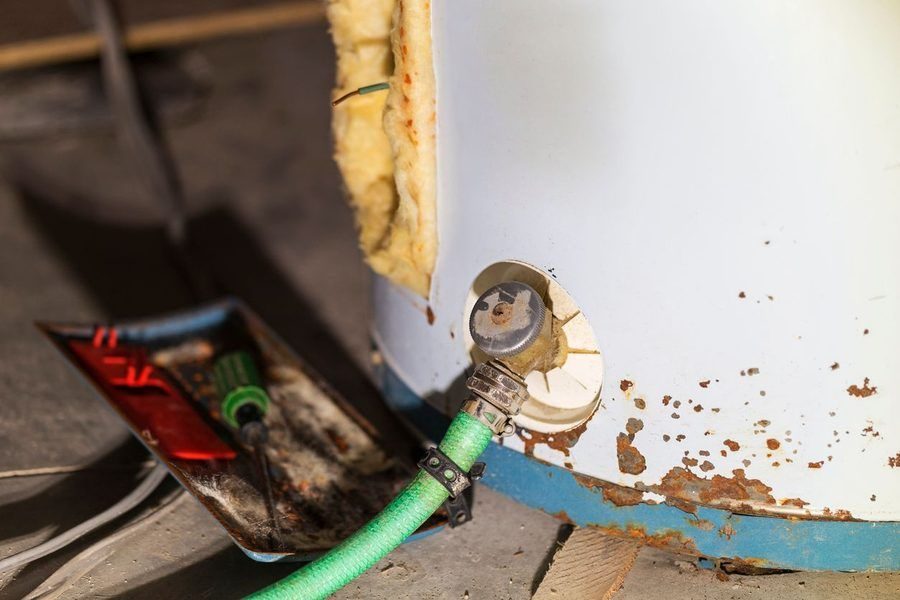
Your water heater works every day to provide hot water for showers, laundry, dishes, and other household needs. Over time, minerals and sediment can accumulate inside the system, potentially affecting its performance. Regular maintenance can help keep your water heater operating properly, but how often should you schedule a flush?
For homeowners in Olympia, Lacey, Tumwater, and surrounding South Sound communities, the answer depends on several factors, including water quality, equipment type, and maintenance history. Understanding when your water heater needs attention can help you avoid unnecessary problems and maintain reliable hot water throughout the year.
How Often Should You Flush Your Water Heater?
Many traditional tank water heaters benefit from flushing approximately once a year, when recommended by the manufacturer. However, there is no universal schedule that applies to every water heater.
The appropriate flushing frequency depends on:
-
Water quality and mineral content
-
Water heater type and manufacturer recommendations
-
Household hot water usage
-
Equipment age and condition
-
Previous maintenance history
-
How quickly sediment accumulates
Some water heaters may need more frequent attention, while others may have different maintenance requirements. A professional plumber can help determine the right schedule for your equipment.
Why Do Water Heaters Need Flushing?
Water naturally contains varying amounts of dissolved minerals and small particles. As water enters a traditional storage water heater, some of these materials can settle at the bottom of the tank.
Over time, sediment may accumulate and interfere with normal operation.
Depending on the water heater’s design and the amount of buildup, sediment can contribute to:
-
Reduced usable hot water capacity
-
Unusual noises during heating
-
Changes in heating performance
-
Reduced heat-transfer efficiency
-
Additional maintenance concerns
Flushing helps remove loose sediment before excessive accumulation develops.
However, flushing cannot reverse corrosion, repair damaged components, or necessarily remove hardened deposits that have accumulated over many years.
Does South Sound Water Quality Affect Flushing Frequency?
Water conditions can vary throughout the South Sound, making location and water source important considerations.
Homeowners in Olympia, Lacey, Tumwater, and surrounding communities may receive water from different municipal systems or private wells. These supplies can have different mineral concentrations and sediment characteristics.
For example, a home with water containing higher mineral concentrations may experience different maintenance needs than a home with relatively low mineral content.
However, it would be inaccurate to assume that every South Sound home has hard water or experiences significant sediment buildup.
If you are unsure about your water quality, your local utility’s water-quality report or appropriate water testing may provide useful information.
Understanding your water supply can help you and your plumber make informed decisions about water heater maintenance.
What Are the Signs Your Water Heater May Need Flushing?
Your water heater may provide clues when sediment or other problems begin affecting performance.
Popping or Rumbling Noises
Popping, rumbling, or crackling sounds during heating can sometimes be associated with sediment buildup, particularly in traditional tank water heaters.
However, unusual noises can have multiple causes. A professional inspection can help determine whether flushing is appropriate.
Reduced Hot Water Availability
If your household runs out of hot water sooner than expected, sediment accumulation could be one contributing factor.
Other possibilities include thermostat problems, heating component failures, increased household demand, or equipment that is no longer properly sized for your needs.
Longer Water Heater Recovery Times
Recovery time refers to how long a storage water heater takes to replenish its supply of heated water.
If recovery seems noticeably slower, sediment or another equipment problem may be affecting performance.
Visible Particles in Hot Water
Particles appearing in hot water may warrant further investigation. Their source is not always the water heater itself, so identifying the cause is important before choosing a solution.
Do Tankless Water Heaters Need Flushing?
Yes, tankless water heaters may require periodic cleaning or descaling, but their maintenance needs differ from those of traditional storage tanks.
Instead of storing heated water, tankless systems heat water as it flows through the equipment.
Mineral scale can accumulate on water-contact surfaces, including the heat exchanger. Depending on the water conditions and manufacturer’s recommendations, periodic descaling may be necessary.
Signs that a tankless water heater needs professional attention can include inconsistent water temperatures, reduced performance, or equipment error codes.
Tankless water heaters should follow their specific manufacturer’s maintenance requirements rather than a traditional tank-flushing schedule.
Should You Flush an Older Water Heater?
If your water heater has been maintained regularly, continuing an appropriate maintenance schedule may help support reliable operation.
However, an older water heater that has never been flushed deserves additional consideration.
Years of sediment accumulation, corrosion, or deteriorating components can complicate maintenance. Aggressive flushing may not be appropriate without first evaluating the tank’s condition.
A professional plumber can inspect the equipment and determine whether flushing, another maintenance procedure, repair, or replacement is the better option.
Flushing should never be treated as a way to repair an already leaking or structurally compromised tank.
Can Flushing Your Water Heater Improve Efficiency?
Sediment accumulation can affect heat transfer in certain water heater designs, potentially making the equipment operate less effectively.
Removing loose sediment may help support normal heating performance, particularly when buildup has begun interfering with operation.
However, flushing does not guarantee lower utility bills or restore an aging water heater to like-new condition.
Actual efficiency depends on several factors, including equipment design, insulation, heating components, water conditions, and overall maintenance.
Is Fall a Good Time to Flush Your Water Heater in the South Sound?
Fall can be a convenient time to schedule water heater maintenance before colder weather arrives.
As incoming water temperatures change, your water heater may need to produce a greater temperature rise to deliver the hot water your household expects.
Addressing existing performance problems before winter can help reduce inconvenience during the colder months.
However, water heater flushing is not exclusively a fall maintenance task. The best time depends on your equipment’s condition, manufacturer recommendations, and maintenance schedule.
Should You Flush Your Water Heater Yourself?
Although water heater flushing may appear straightforward, the process involves hot water, plumbing connections, valves, and potentially pressurized equipment.
Improper handling can cause burns, leaks, or equipment damage.
Professional water heater maintenance is especially worth considering if:
-
Your water heater has never been flushed.
-
The equipment is older or showing signs of corrosion.
-
You notice unusual noises or inconsistent temperatures.
-
Drain valves or other components appear damaged.
-
You are unsure about the manufacturer’s maintenance requirements.
A plumber can assess the water heater before performing maintenance and identify concerns that flushing alone may not resolve.
What Other Water Heater Maintenance Is Important?
Flushing is only one part of maintaining a reliable water heater.
Depending on your equipment, additional professional maintenance may include:
-
Inspecting for leaks and corrosion
-
Evaluating temperature and pressure relief safety components
-
Checking the anode rod when applicable
-
Examining heating components and controls
-
Evaluating venting and combustion-related components on applicable systems
-
Checking overall water heater operation
Following the manufacturer’s recommendations helps ensure maintenance is appropriate for your particular system.
When Is Water Heater Repair Better Than Flushing?
Not every hot water problem is caused by sediment.
Persistent leaks, visible corrosion, repeated loss of hot water, unusual odors, or ongoing temperature problems may indicate a component failure or another issue requiring repair.
A damaged storage tank may need replacement rather than flushing.
If your water heater continues struggling after routine maintenance, professional diagnosis can help identify the underlying problem.
Schedule Water Heater Maintenance With Olympic Plumbing Technology
For South Sound homeowners, water heater flushing frequency depends on the equipment, water conditions, and maintenance history. While annual flushing is a common recommendation for many traditional tanks, your water heater may have different requirements.
Whether you are hearing unusual noises, experiencing inconsistent hot water, or simply trying to stay ahead of maintenance, Olympic Plumbing Technology can help.
Our team provides professional water heater maintenance, repair, and replacement services throughout Olympia and the surrounding South Sound area.
Contact Olympic Plumbing Technology today to schedule water heater service and keep your home’s hot water system ready for everyday use.