Serving the Greater South Sound Area





Tankless Water Heaters in the PNW: Are the Energy Savings Worth the Initial Cost?
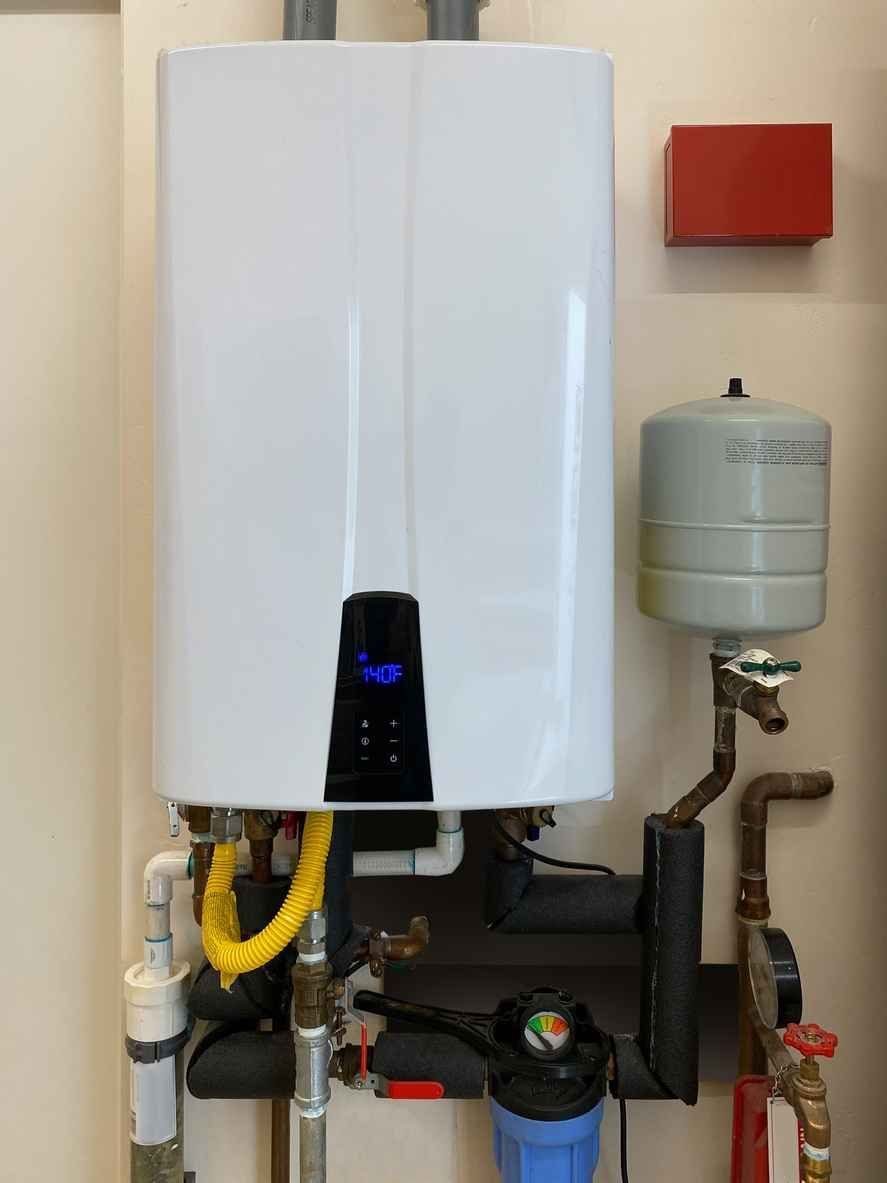
Living in the Pacific Northwest means experiencing a climate that is uniquely damp, cool, and stunningly green. For homeowners from Olympia down through Thurston County, keeping a home warm and running efficiently requires a practical approach to home utility choices. Our regional weather includes long stretches of overcast, chilly winter days where the demand on household heating systems stays continuously high. Because water heating accounts for a massive chunk of your home’s monthly energy footprint, deciding on a system replacement is an important financial choice.
When a traditional water heater begins to rust out or leaves you with freezing cold water mid-shower, you face a major question: do you replace it with another standard storage tank, or do you upgrade to a modern tankless water heater? Tankless technology promises endless hot water on demand and significant reductions in your monthly utility costs. However, these systems come with a higher initial purchase and installation price tag compared to traditional models. Olympic Plumbing Technology has been providing trusted, transparent plumbing answers across local communities for years. This straightforward guide breaks down the real-world performance, operational math, and environmental factors to help you decide if a tankless upgrade is truly worth the upfront investment for your home.
The Upfront Financial Split: Purchase Price vs. Long-Term Value
To evaluate whether a tankless water heater makes sense for your household budget, it helps to balance the initial installation invoice against the money you will claw back over time through lower monthly utility bills. Traditional storage tanks feature a much lower upfront setup cost, usually running between $1,500 and $3,000 depending on the size of the tank. However, they come with a relatively short operational lifespan of just eight to twelve years before the metal begins to weaken. On-demand tankless upgrades require a higher initial investment, typically costing between $3,500 and $6,500 to purchase and install. While that upfront number is higher, these systems are built with durable, modular parts that regularly last twenty years or more, easily doubling the lifespan of a standard tank.
Breaking Down the Installation Variance
Traditional storage tanks are relatively cheap and easy to swap out because the water, gas, and electrical lines are already right where they need to be. Transitioning to a tankless system requires a bit more technical setup work during the initial installation:
-
Upgrading Gas Supply Lines: High-powered gas tankless units require a large burst of fuel to flash-heat freezing groundwater instantly. This means a plumber may need to run a wider gas line from your main meter to the new unit.
-
Installing Modern Venting Pipes: Tankless systems use specialized concentric venting pipes that exhaust combustion gases directly out through a side wall rather than utilizing your home’s original vertical brick chimney.
-
Electrical Circuit Modifications: Even gas tankless units require a dedicated electrical outlet to power the internal computer boards, automated ignition switches, and safety sensors.
-
Wall Mounting and Floor Space Reclamation: Unlike a heavy traditional tank that robs you of valuable utility closet square footage, a compact tankless system mounts cleanly directly to the wall.
Understanding the Energy Math: Eliminating Standby Waste
The primary reason homeowners upgrade to tankless technology is to permanently stop wasting money on energy they aren’t actually using. The functional difference between how these two systems handle water heating is where your monthly savings come from.
Why Storage Tanks Bleed Cash
A standard water heater works by keeping forty to fifty gallons of water hot twenty-four hours a day, seven days a week. Whether your family is fast asleep at 3:00 AM, away at work and school all afternoon, or on a week-long vacation, the tank constantly fires up to reheat stagnant water just to prevent it from cooling down. This continuous cycle is known as standby energy loss, and it acts as a silent drain on your household finances.
A tankless water heater completely eliminates this standby waste. The system remains completely dormant until a family member opens a hot water faucet. The moment water flows into the unit, high-powered heating coils fire up, warming the moving water instantly to your exact target temperature. The second you shut the faucet, the unit powers down completely, drawing zero energy until the next time you need it. For an average local family, this on-demand heating dynamic drops water utility fuel consumption by twenty-four to thirty-four percent compared to an old tank.
The Pacific Northwest Factor: Cold Groundwater and Local Rebates
Living along the Puget Sound introduces specific geographic and climate conditions that directly alter how plumbing systems perform. Sizing a water heater for our local environment requires looking past generic national statistics.
Navigating Freezing Winter Temperatures and Clean Energy Cash Back
Our regional water supply and local energy grid provide a unique set of incentives for homeowners looking to modernize their home utility infrastructure:
-
The Winter Ground Temperature Challenge: During our wet winter months, the groundwater piped into your home drops down to near-freezing temperatures. A tankless system must have enough heating power to raise that freezing incoming water up by roughly seventy degrees instantly to achieve a comfortable shower temperature.
-
Sizing for the Local Climate Baseline: Because our winter water is so cold, working with a local professional who understands proper sizing metrics is critical. A system that is too small will struggle to feed multiple showers at once during a January cold snap.
-
Cashing In on Local Utility Rebates: Because tankless water heaters drastically reduce energy consumption, local utility providers like Puget Sound Energy (PSE) offer substantial cash-back rebates to help offset your initial installation bill.
-
Capturing Federal Energy Tax Credits: Upgrading to an Energy Star-certified tankless water heater allows Washington homeowners to claim significant federal tax credits under current clean energy incentives, covering up to thirty percent of the project cost.
Bringing an End to Your Hot Water Headaches
Deciding if a tankless water heater is worth the premium initial layout comes down to your family size, your daily routine, and how long you plan to stay in your current home. If you live alone in a starter home or plan to move within the next couple of years, a high-efficiency traditional storage tank remains a reliable, budget-friendly option that will keep your hot water flowing perfectly without a deep upfront commitment.
However, if you have a busy family that is constantly running out of hot water, a tight home floor plan, or you want to permanently insulate your household finances from rising energy costs, going tankless is an exceptional investment. It permanently ends morning shower arguments by providing an endless stream of hot water, frees up your utility room floor, and operates reliably for twice as long as a standard storage tank. By partnering with a licensed trade expert to size and calibrate your line, you transform your home plumbing layout into a highly efficient, future-ready grid.
Find Your Perfect Water Heater with Olympic Plumbing Technology
Upgrading your home’s water heating setup shouldn’t involve confusing sales pitches or hidden fees. The friendly, fully licensed team at Olympic Plumbing Technology specializes in providing transparent plumbing answers and expert installations across Olympia and surrounding communities. We take the time to run a thorough load calculation on your home, evaluate your gas and electrical layout, and provide clear options that fit your family’s exact comfort goals and budget.
Give us a call today to get your home water system evaluated!