Serving the Greater South Sound Area





Why Water Heater Lifespans Are Shorter in Certain South Sound Neighborhoods
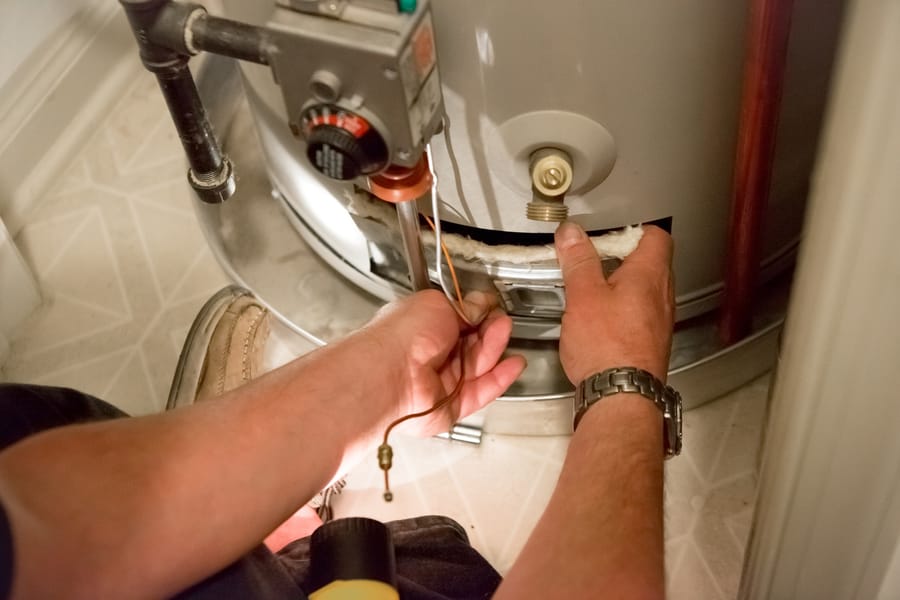
In the South Sound, we are fortunate to live in a region defined by its natural beauty, from the shores of Budd Inlet to the foothills of Mount Rainier. However, as any long-time resident of Olympia, Lacey, or Tumwater can tell you, what comes out of our taps can vary wildly from one neighborhood to the next. You might have a friend in West Olympia whose water heater has lasted fifteen years, while your own unit in Southeast Olympia starts rumbling and leaking after only seven.
This is not just bad luck. At Olympic Plumbing Technology, we have seen firsthand how the specific geography and infrastructure of South Sound neighborhoods directly impact the longevity of your plumbing appliances. While the average lifespan of a standard tank water heater is typically ten to twelve years, many homeowners in our area find themselves shopping for a replacement much sooner.
Understanding why your water heater might be on a fast track to failure is the first step in protecting your home. By identifying the unique environmental factors in your neighborhood and taking proactive maintenance steps, you can defy the local averages and get the full value out of your equipment.
The Silent Killer: Mineral Content and Sediment
The primary reason for premature water heater failure in the South Sound is the mineral content found in our local groundwater. Much of our water comes from deep aquifers that have spent centuries filtering through glacial till and sedimentary rock. This process picks up minerals like calcium and magnesium.
The Transformation of Dissolved Rock
When this mineral-heavy water enters your water heater and is subjected to high temperatures, a chemical reaction occurs. The dissolved minerals solidify and settle to the bottom of the tank. Over time, this creates a thick layer of sediment that looks much like crushed white rock or sand.
Why Sediment Shortens Lifespans
-
The Insulation Barrier: In gas water heaters, the burner is located at the bottom of the tank. A thick layer of sediment acts as an insulator, forcing the burner to run longer and hotter to heat the water through the rock.
-
Overheating the Tank Floor: This constant, excessive heat weakens the steel at the bottom of the tank. Eventually, the glass lining of the tank cracks, allowing water to reach the steel shell and cause a catastrophic leak.
-
The Popping Sound: If you hear a popping or rumbling sound coming from your garage or utility closet, that is the sound of steam bubbles trapped under the sediment layer. It is a clear warning that your tank is under extreme stress.
Neighborhood Profiles: Why Geography Matters
Not all South Sound water is created equal. The source of your water plays a massive role in how much sediment your heater will accumulate.
The McAllister Springs Influence
Many neighborhoods in Lacey and parts of Olympia rely on the McAllister Springs source. While the water meets all safety standards, it is known for having a specific mineral profile that can be tough on traditional tank systems. Homeowners in these areas often report “heavy” water that leads to faster scale buildup on showerheads and inside water heaters.
Private Wells in Rural Thurston County
If you live in a more rural neighborhood like Steamboat Island or near Offut Lake, you likely rely on a private well. Well water in the South Sound can be highly variable. Some wells are rich in iron and manganese, which can accelerate the corrosion of the anode rod and the tank walls. Without a dedicated filtration or softening system, a water heater on a well system might only last six to eight years.
Older Infrastructure in Downtown Olympia
In older, established neighborhoods near the state capitol or in North Tacoma, the issue is often a combination of water chemistry and aging pipes. Fine silt or rust particles from old municipal mains can find their way into your home and settle at the bottom of your tank, compounding the issues caused by natural minerals.
The Anode Rod: Your Heater’s Sacrificial Lamb
Every tank water heater contains a long metal rod made of magnesium or aluminum. This is the anode rod, and its sole purpose is to be “sacrificed” to protect your tank.
How Corrosion Works
The minerals in South Sound water are naturally corrosive. They want to eat away at metal. The anode rod is more reactive than the steel of your tank, so the corrosive elements attack the rod first. As long as the rod is intact, the tank remains safe.
The Problem with Neglect
In many South Sound neighborhoods, the water is aggressive enough to eat through a standard anode rod in just three to four years. Once the rod is completely dissolved, the corrosion turns its attention to the tank itself. Most homeowners never think to check this rod, which is why so many tanks fail around the seven or eight-year mark. Simply replacing this fifty-dollar part every few years can often double the life of your water heater.
Thermal Stress and Washington Winters
Our local climate also plays a subtle role in water heater health. In the Pacific Northwest, our groundwater is incredibly cold, especially during the rainy winter months.
When you turn on a hot tap in February, the water heater has to work much harder to raise the temperature of the incoming 40-degree water compared to the 60-degree water it sees in August. This constant, extreme temperature fluctuation causes the tank to expand and contract. Over thousands of cycles, this mechanical stress can lead to “metal fatigue” and eventual leaks at the welded seams of the tank.
Solutions for South Sound Homeowners
If you live in a neighborhood known for hard water or frequent plumbing issues, you are not powerless. There are several ways to fight back against the local environment.
Annual Flushing and Maintenance
The most effective way to combat sediment is to remove it before it hardens. We recommend an annual professional flush. This involves draining the tank completely and using high-pressure water to scour the bottom of the tank. At Olympic Plumbing Technology, our Legends Membership includes an annual water heater flush to ensure your system stays as efficient as possible.
Tankless Water Heater Upgrades
Many homeowners in Olympia and Tacoma are switching to tankless systems. Because these units do not store water, they do not suffer from the same sediment settling issues as traditional tanks. While they still require annual descaling to remove mineral buildup from the heating coils, they generally last twice as long as a tank system, often twenty years or more.
Water Softeners and Filtration
If your neighborhood has particularly hard water, a whole-home water softener is the ultimate protection. By removing the calcium and magnesium before the water ever reaches your heater, you eliminate the source of the problem. Your clothes will be cleaner, your skin will be softer, and your water heater will easily reach its full life expectancy.
Reclaiming Your Hot Water Peace of Mind
A water heater failure is always an inconvenience, but in the South Sound, it can feel like an inevitable one. It doesn’t have to be. By recognizing that your neighborhood’s water chemistry is working against your appliances, you can take the necessary steps to level the playing field.
Whether it is a simple anode rod replacement or an upgrade to a high-efficiency tankless system, the experts at Olympic Plumbing Technology are here to help. We understand the specific challenges of Thurston and Pierce County water, and we are committed to providing solutions that last.
Is your water heater making strange noises or nearing the ten-year mark? Contact Olympic Plumbing Technology today for a comprehensive water heater health check and let us help you extend the life of your system.