Serving the Greater South Sound Area




How Constant Rainfall in the South Sound Region Impacts Your Home’s Plumbing System
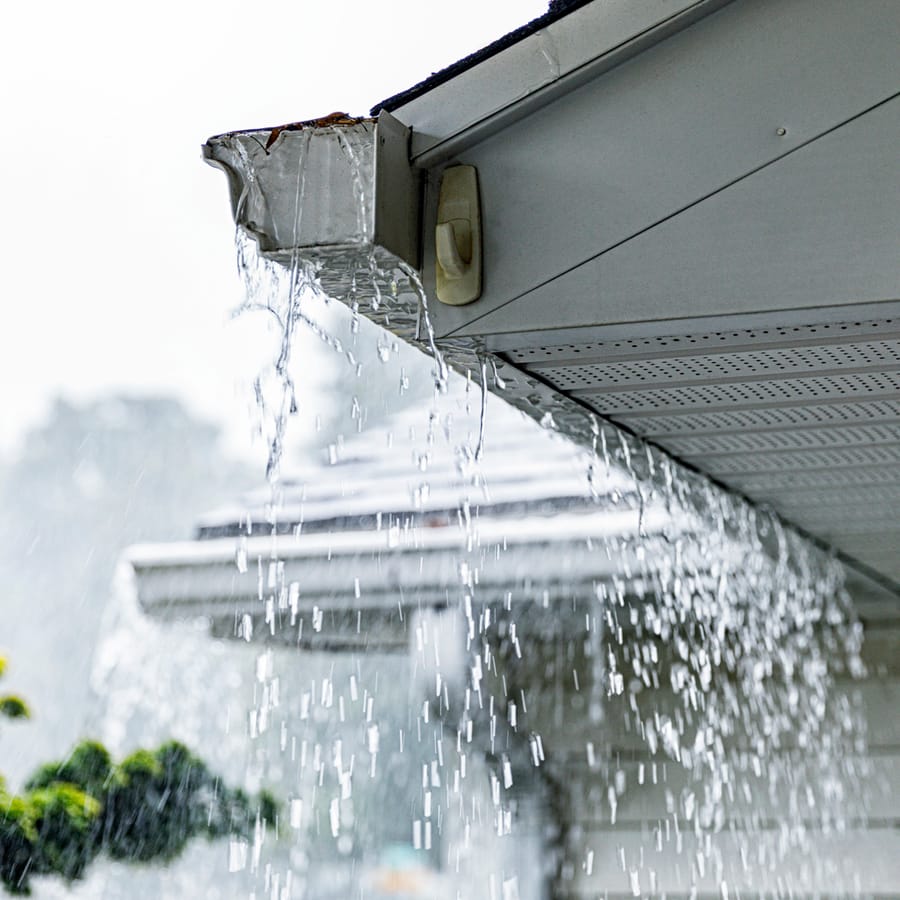
Residents of the South Sound region, from Olympia and Lacey to Tumwater and beyond, are no strangers to the steady, rhythmic pitter-patter of rain. We live in a part of the country where the landscape is defined by its deep greens and abundant water. However, while we often focus on how the constant rainfall affects our morning commutes or our lawn maintenance, we rarely consider the significant impact it has on the hidden infrastructure of our homes. In the Pacific Northwest, constant rainfall is not just a weather pattern; it is a persistent physical force that exerts pressure on every pipe, joint, and drain connected to your property.
The plumbing system in your home is part of a delicate balance with the environment around it. In areas like the South Sound, where the ground can remain saturated for months at a time, the soil becomes heavy, the water table rises, and the pressure against your foundation increases. This creates a set of challenges that homeowners in drier climates never have to face. When the ground is “full,” the water has to go somewhere, and often, it finds its way into your plumbing system through subtle cracks or by overwhelming your drainage capacity.
At Olympic Plumbing Technology, we have seen firsthand how the cumulative effect of a typical Washington winter can lead to sudden and expensive plumbing failures. Most homeowners do not realize that their plumbing starts far beyond their walls, extending deep into the wet earth of their yards. Understanding how our local geology and weather patterns interact with your pipes is the first step in preventing the kind of “wet-season surprises” that can lead to flooded basements and backed-up sewer lines.
Saturated Soil and Pipe Shifting
The South Sound region features a unique geological mix often referred to as “glacial till.” This soil, left behind by receding glaciers thousands of years ago, is often packed with clay and large rocks. When this type of soil becomes saturated by constant rainfall, its physical properties change. It expands, becomes significantly heavier, and can even become “soupy” in areas with poor drainage. This shifting earth is one of the primary causes of underground plumbing damage.
Ground Movement and Cracked Pipes
As the soil expands and contracts with the rain cycles, it puts immense “shear stress” on your underground pipes. If your home has older clay or cast-iron sewer lines, they are particularly vulnerable. Unlike modern PVC, these older materials are rigid. When the ground underneath them shifts or settles due to high moisture content, the pipes cannot flex. Instead, they crack or disconnect at the joints. Once a pipe is compromised, the surrounding saturated soil can leak into the line, causing a “sinkhole” effect that further destabilizes the pipe.
The Danger of “Bellied” Pipes
In areas where the ground becomes particularly soft during the rainy season, a section of the sewer line may begin to sag. This is known in the plumbing industry as a “belly.” In a healthy system, pipes are sloped so that gravity carries waste away. When a pipe sags, it creates a low point where water and debris pool. During the dry season, you might not notice a belly, but when constant rain adds extra volume and pressure to the system, these low points quickly become the site of major blockages.
The Hydrostatic Pressure Threat
Hydrostatic pressure is a term that every homeowner in a rainy climate should understand. It refers to the pressure exerted by a fluid at rest due to the force of gravity. When it rains for days on end in the South Sound, the water table rises, and the soil surrounding your foundation becomes a heavy, water-logged mass. This water pushes against your basement walls and your underground plumbing with incredible force.
How High Water Tables Affect Your Pipes
When the ground is saturated, the water pressure doesn’t just stay outside; it looks for any available entry point into your home’s infrastructure. This can lead to several complications:
-
Joint Seepage: The pressure can force groundwater through the tiny seals where your main water and sewer lines enter the home.
-
Floor Drain Backups: As the water table rises, it can push water up through your lowest drains, especially in basements or garages.
-
Structural Stress: Constant pressure against buried pipes can cause them to bow or “belly,” leading to chronic drainage issues.
Your Home’s Defense Systems
Most homes in our area rely on specific drainage systems to combat this pressure. If these systems are not maintained, the “Evergreen” rain will eventually find its way inside:
-
Perimeter Drains: Also known as French drains, these pipes sit at the base of your foundation to channel groundwater away before it can build pressure.
-
Sump Pump Pits: These collect rising groundwater and pump it out to the surface or a storm drain.
-
Backwater Valves: These one-way valves prevent the city’s overwhelmed sewer system from pushing wastewater back into your home during a storm.
Surface Runoff and Sewer Overloads
In a perfect world, rainwater stays on the outside of your plumbing, and wastewater stays on the inside. However, in the South Sound, a phenomenon called Inflow and Infiltration (I&I) often blurs these lines. This happens when rainwater “sneaks” into the sanitary sewer system, which is only designed to handle the water from your sinks, toilets, and showers.
Warning Signs of an Overloaded System
If your home’s plumbing is struggling to keep up with the volume of a Pacific Northwest storm, you will likely notice these symptoms:
-
Gurgling Toilets: This happens when air is trapped in the lines by rising water levels, forcing bubbles back up through the traps.
-
Slow-Moving Drains: If the main sewer line is full of rainwater, your sinks and showers will drain much slower than usual.
-
Soggy Spots in the Yard: Unusually wet or “spongy” patches over your sewer line often indicate a break where rainwater is entering the pipe.
The Problem with Root Intrusion
While it seems counterintuitive, the rainy season is a peak time for root intrusion. Tree roots are naturally attracted to the warm, nutrient-rich water inside your sewer pipes.
-
Softer Soil: Saturated earth makes it easier for roots to move and expand toward your pipes.
-
Hairline Cracks: Even a tiny crack caused by shifting soil is enough for a root to enter.
-
Rapid Growth: Once inside, the constant moisture acts like fertilizer, allowing roots to grow into massive “mats” that can totally block a sewer line by mid-winter.
Protecting Your Property: Proactive Solutions
Living in one of the wettest parts of the country means you cannot afford an “out of sight, out of mind” attitude toward your plumbing. Proactive maintenance is the most affordable way to protect your home from the structural damage and health risks associated with water backups.
Professional Diagnostic Tools
At Olympic Plumbing Technology, we use specialized equipment to see what is happening beneath the saturated soil:
-
HD Camera Inspections: We send a camera down your line to identify “bellies,” cracks, or root clusters before they cause a total backup.
-
Sump Pump Testing: We check the float switch and check valve to ensure your pump is ready for a 24-hour rain event.
-
Drain Cleaning: Hydro-jetting can clear out the silt and debris that rainwater washes into your lines, restoring full capacity.
Simple Homeowner Maintenance
There are several steps you can take to reduce the load on your plumbing system during the wet season:
-
Clear Your Gutters: Ensure your downspouts extend at least five to ten feet away from the house to keep water away from the foundation.
-
Check Cleanout Caps: Make sure the white plastic caps in your yard are tight so surface water doesn’t pour directly into your sewer.
-
Listen to Your Pipes: If you hear gurgling during a storm, call a professional before the next heavy rainfall hits.
Secure Your Home with Olympic Plumbing Technology
If you have noticed slow drains, gurgling toilets, or damp spots in your basement during a rainstorm, don’t wait for the problem to get worse. At Olympic Plumbing Technology, we specialize in the unique drainage and sewer challenges of the South Sound. Our team uses the latest diagnostic technology to find and fix issues deep underground, keeping the rain where it belongs.
Contact us today for a comprehensive wet-season plumbing inspection and ensure your home stays dry all winter long.